Quick overview. I'm a seasoned backpacker. Can easily take care of myself in that department. However, the highest I've ever been is when I was backpacking through Zion park a few years ago. (I'm from the midwest where anything over 1k is high.)
I'm flirting with the idea of taking some vacation time next year to come out west and bag a peak or two.
Looking for advice.
1. What mountains should I be looking at?
2. Whens the best time to do them?
3. What don't I know, but need to know?
4. Who want to join me?
Slightly related, at the end of next summer I'll be over in Japan for work and am going to try to climb Mt. Fuji. (Weather allowing.) Anything that gets me ready for that would be nice, but not required.
Thanks all in advance.
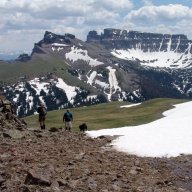
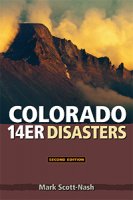
It's been 25 years since I climbed in Colorado so some things may have changed (e.g. summer season may be longer) but a lot of it hasn't. I'm curious what elevation you are looking at climbing. Colorado is filled with 12,000-foot and higher elevations that are nothing more than walk ups (sometimes steep walkups). There's some classic books on climbing 14,000-foot peaks (14'ers). Greys and Torreys Peaks in CO are over 14,000 feet and are relatively easy 14'ers to introduce yourself to that elevation.
During the summer months (June - August), it is heavily advisable to start your hike up before or at dawn so you can top out and be well below the peak when the thunderstorms roll in mid-afternoon. Quite a lot of them you can start at nearly or higher than 10,000 feet so the actual elevation gain isn't significant. Anything above 10,000 feet though, is capable of causing altitude sickness. There's plenty of info out there on recognizing altitude sickness so become very familiar with the symptoms as they develop.
Once you have completed a few in June, July, and August, you can venture out into September, October and April, May. If the bug grabs you, skiing and snowshoeing are fun options in the winter months. Before trying a late winter-spring climb, be educated in avalanches.
Always avoid snowfields, cornices, and other snow formations that kill people every year. Stay away from them unless properly equipped and educated. Do not walk out onto snow that is on the (typically east) side of a ridgeline, it may be a cornice (hanging snowfield) that could collapse under you and send you downhill a few thousand feet. Bring at least 2 quarts of water, you can supplement with snow melt on many peaks through July usually, sometimes later.
Sunglasses, sunscreen, and windproof clothing is mandatory. Always have one more insulating layer than you think you'll need. The sun at high altitudes is
really intense. Above treeline, winds are the norm. If clouds are building and you are still on the way up, turn around. Storms can blow up quickly and launch lightning everywhere.
Many of the trails to the top of the peaks have plenty of people on them so even if you re climbing alone, you can usually join up with others. The numbers used to nearly disappear by mid-September.
Have fun with it and don't push it too much. There's always another day.