for around camp i usually pack a pair of Sanuks or my Teva Zilch's if i want sandals. (bought both during sales at less than half retail price making them affordable options). neither take up much packing space and are lightweight. my zilch's are everyday wear around town in summer.
i've been looking at some of the Cushe canvas shoes as well with collapsible backs allowing them to be used as slip ons. they look like they would not pack down as flat, though.
---------
slc_dan - i've tried multiple water shoes. so far, for more casual non technical hiking (such as wandering along the escalante river & other creek hikes with regular water crossings) I have been enjoying my
Teva Gnarkosi, believe it or not. they may be a bit too futuristic/ hip/ strange looking, but very little sand and no gravel whatsoever get into them & the spider rubber soles perform pretty well even when wet. they are also very lightweight for a full shoe. i bought mine on clearance at Sierra TP and with a good coupon code, they were less than 40 bucks. after trying them out for awhile, i actually got a second pair for future use. (they discontinued the burnt orange ones and now only have some rather ugly color choices available, so i wanted to be sure i got another pair of ones that i actually felt looked halfway decent)
the key difference i've found between shoes meant for kayaking and canyons - most water shoes are not designed to keep out sand & rocks and canyoneering shoes are a bit too much for more casual excursions.
personally, for most of my hiking, i like to be as close to barefoot as possible when i can (of course, this depends on terrain and pack load).
I've also tried out the
Zemgear Terra split toe shoes, and they have been ok in casual water settings - i like them for when i go casual wading, but they are horrible on sand and stone due to the fact that the soles have NO insulation.within minutes of moving from water to a sandy slope, it felt like my feet were literally getting fried. definitely not worth the price.i think they would be great for around camp if not for the insulation issue, as they would allow the foot to spread & stretch out helping relax them after being confined all day.
Most watershoes are designed primarily to drain water. i've previously tried a few types of open sandals and some mesh watershoes, but all of them tend to collect massive amounts of sand. i'm not into mesh sided shoes. i have wide feet and tend to split them open or else damage the outside mesh through abrasion rather quickly.
in july and august i spend a lot of time on the escalante just around hwy 12 heading to waterholes to keep cool after a day of work, so i got a little obsessed with trying to find what worked best for such simple use but could also stand up to longer hikes - and that area is a great mix of sand, gravel and stone, so any issues become apparent rather quickly, especially when simply standing in the escalante river with all of its tiny pebbles and gravel. omg, sandals were a nightmare in that setting! they may be good for simple crossings, but definitely not for hiking in the river!
i'm guessing that this is an area in which we will see more product development as companies receive more feedback about the performance of their products in canyon / desert settings.
I'd say wait & see what comes out this next season before choosing anything, though, as the watershoe market is expanding rather quickly.
-------
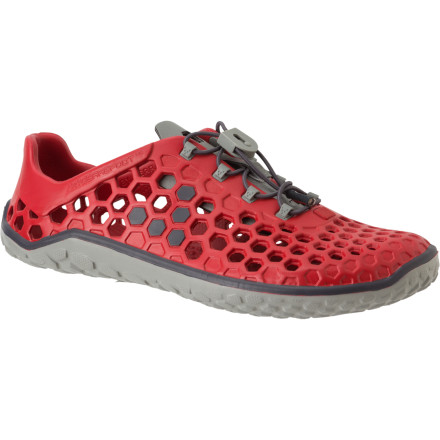
my question with the vivo's is how will that rubber/plastic heel feel against the skin? it looks like it could rub one raw. does it have a mesh lining? they look like they have a rather narrow footprint as well, and i'd doubt that the plastic would stretch much for a wider foot. is the material they are made of recyclable? they look like they could be (and SHOULD be).








 .
.